⚡ Key Takeaways
- Professional RV roof replacement ranges from $3,000–$15,000+ depending on size and material
- DIY materials typically cost $600–$1,800 — savings are real but so is the risk of mistakes
- DIY is appropriate for experienced builders; most owners should consider professional restoration instead
- Roof restoration coating (at $1,500–$2,500) often delivers better value than full replacement for sound membranes
- Never attempt DIY replacement if you find significant substrate rot or structural damage
The Allure of DIY RV Roof Replacement
Search any RV forum and you will find enthusiastic threads about owners replacing their own roofs. Some report saving $3,000 to $8,000 compared to professional quotes. Others report nightmares — failed adhesives, misaligned seams, and water damage worse than what they started with. Before you commit to a DIY RV roof replacement project, you need an honest look at the real costs, real challenges, and the honest answer to whether it is right for your situation.
What Does a Full RV Roof Replacement Actually Cost?
Professional Replacement Costs
Professional RV roof replacement pricing varies significantly by region, roof size, and material. As a general guideline for a 30-35 foot travel trailer or fifth wheel with a membrane roof: EPDM replacement runs approximately $3,000 to $5,000 including materials and labor. TPO replacement typically costs $4,000 to $6,500. A fiberglass roof job on a Class A motorhome can run $8,000 to $15,000 or more. These prices assume no major structural repair is needed — if there is substrate rot or framing damage, add significantly to the above figures.
DIY Material Costs
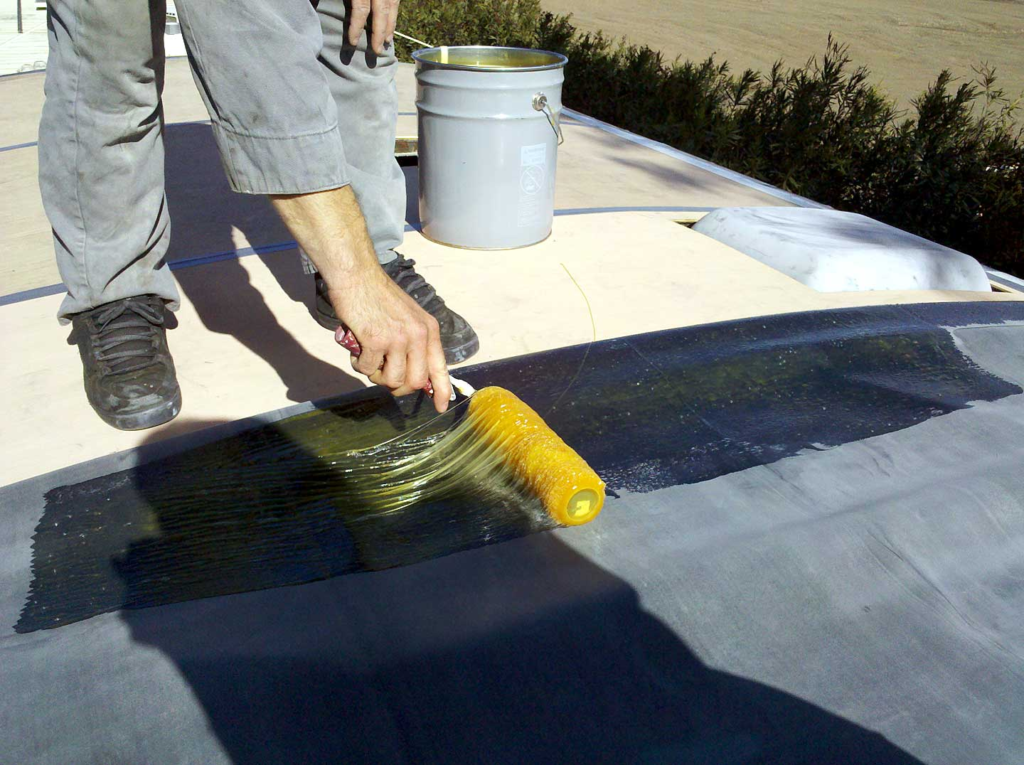
Materials for a DIY EPDM roof replacement on a standard travel trailer run approximately $600 to $1,200 depending on roof size, the specific adhesive system used, and whether you need to replace any substrate material. TPO materials run higher — $900 to $1,800 — and require either a heat gun for seams or a cold-adhesive system. You will also need miscellaneous supplies: rollers, adhesive, sealant, safety equipment, and potentially a roof walk board for protection during application.
The Skills Required Are Significant
Here is where the honest breakdown gets uncomfortable for many would-be DIYers. A quality roof replacement requires: the ability to safely work on a roof surface for extended periods, understanding of adhesive chemistry and proper application technique, experience with precise fitting and cutting of large membrane sheets, knowledge of the correct sealant types for each application area, and the physical strength and stamina to complete the job in an appropriate weather window. This is not a “follow the YouTube video” type of project — it is a skilled trade job that professionals train for years to do well.
The Hidden Costs of Getting It Wrong
A poorly executed DIY roof replacement can cost you far more than the professional job would have. Common DIY failure modes include adhesive application at wrong temperatures (causing bubbles or poor adhesion), inadequate surface preparation leading to membrane lifting, improperly sealed seams that allow water infiltration, incorrect sealant choices that are chemically incompatible with the membrane, and rushing the job to beat incoming weather and cutting corners. Each of these failure modes can mean pulling up your new roof and starting over — or discovering the problem two years later when water has damaged your subfloor and walls.
Who Should Consider DIY Roof Replacement
Be honest with yourself about this. DIY roof replacement makes the most sense for experienced builders or tradespeople who are comfortable with adhesive systems, owners of older or lower-value RVs where professional replacement cost exceeds the rig’s value, those who have successfully completed comparable projects and understand the failure modes, and people with the time to do the job properly — never rush this work.
Who Should Definitely Call a Professional
You should call a professional if your RV has significant substrate damage that needs structural repair before re-roofing, if the roof is a complex shape with many penetrations and accessories, if you have never worked with roofing adhesives before, if you are dealing with fiberglass or TPO requiring heat welding, or if the value of your RV makes the risk of failure unacceptable.
The Middle Path: Restoration Instead of Replacement
Many RV owners facing significant roof deterioration overlook an important option that sits between basic maintenance and full replacement: professional roof restoration. A quality roof restoration coating system — applied by experienced professionals — can essentially create a new waterproof surface over your existing roof without removing the old membrane. When the existing membrane is structurally sound but weathered, oxidized, and showing sealant failure, restoration can deliver 10-15 more years of service life at roughly 40-60% of the cost of full replacement.
This option is particularly compelling for quality rubber and TPO roofs that have reached 10-15 years of age but still have sound membrane adhesion. Rather than spending $4,000-6,000 on replacement, a professional restoration coating job at $1,500-2,500 can bring the roof back to full waterproofing performance with significantly less disruption.
The Honest Bottom Line
For most RV owners, full DIY roof replacement is not worth the risk unless you have specific skills and experience that make you genuinely qualified for the job. The savings are real, but so is the potential for costly mistakes. However, a partial DIY approach — doing your own cleaning, sealant maintenance, and protective coating applications while leaving major repairs and replacements to professionals — gives you many of the cost savings while managing the risk appropriately. That hybrid approach is where the real value lies for the average RV owner.
🛡️ Protect Your RV Roof Today
Don’t wait until water damage forces a costly repair. Our certified RV roof protection specialists can assess your roof, apply professional-grade coatings, and give you the peace of mind every RV owner deserves.
Further Reading
- How to Reseal an RV Roof: The DIY Alternative to Replacement — Often a better option than full replacement.
- EPDM vs TPO vs Fiberglass RV Roofs — Material guide to help you choose the right replacement material.
- RV Roof Coating Reviews — Explore coating options that may restore your existing roof.