⚡ Key Takeaways
- RV roofs typically last 15–25 years depending on material and maintenance quality
- Outdoor storage accelerates roof aging 2–3x faster than covered or indoor storage
- Full-time RVers see faster sealant degradation due to constant road vibration
- Annual inspection plus sealant maintenance is the single most effective longevity strategy
- Your roof will last exactly as long as you maintain it — the material is just the starting point
The Answer Might Surprise You
Ask most RV owners how long an RV roof lasts, and you will get answers ranging from “forever” to “not long enough.” The reality is more nuanced than either extreme, and understanding the factors that determine roof lifespan could save you from an expensive surprise on your next camping trip.
The short answer: an RV roof can last anywhere from 10 to 25+ years depending on the material, climate, usage patterns, and how well it is maintained. But that range is almost meaningless without context — let us dig into what actually drives these numbers.
Lifespan by Roof Type
EPDM Rubber Roofs
EPDM is the most common RV roof material, and its theoretical lifespan is 15-20 years. In practice, however, many EPDM roofs fail significantly earlier due to neglect. The rubber membrane itself is durable, but the sealant at every seam, vent, and penetration point is the weak link. Sealant can begin cracking and failing in as little as 3-5 years depending on UV exposure and climate conditions. An owner who checks and renews sealant annually can keep an EPDM roof performing well for the full 15-20 years. An owner who ignores it may find serious leak damage within 5-7 years.
TPO Roofs
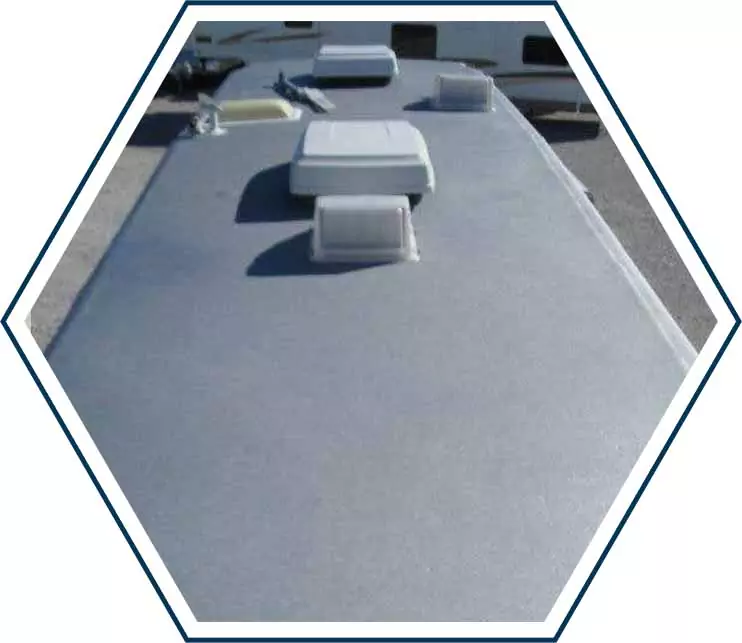
TPO membranes are rated for 15-20 years and tend to require less ongoing maintenance than EPDM. The heat-welded seams that characterize quality TPO installation are significantly more durable than the glued seams of EPDM installations, which eliminates one of the major failure points. TPO is also more resistant to UV degradation and chemical damage. With normal use and basic annual maintenance, a TPO roof will comfortably reach the upper end of its rated lifespan.
Fiberglass Roofs
Fiberglass roofs on high-end Class A motorhomes are the most durable option, with many lasting 20-25 years or longer. The fiberglass panels themselves are highly resistant to UV damage, oxidation, and moisture. The sealant at joints and penetrations still requires attention, but there are fewer vulnerable seam points compared to membrane roofing systems. The main enemies of a fiberglass roof are impact damage and the failure to address cracked sealant promptly.
The Factors Nobody Tells You About
Storage Conditions Matter Enormously
An RV stored outdoors in Arizona will age its roof 2-3 times faster than the same rig stored in a covered facility in the Pacific Northwest. UV radiation is the primary killer of RV roof materials. If you store your RV outdoors and do not have a cover or carport, you need to be especially diligent about UV-protective roof coatings.
How You Drive Makes a Difference
Every time you drive your RV, the body flexes, vibrates, and cycles through road-induced stress. This movement acts on every sealant joint and seam. Full-time RVers who put 20,000+ miles per year on their rigs will see sealant fail faster than weekend warriors who drive 2,000 miles per year. The constant vibration and flexing causes sealant to crack and pull away from surfaces faster than if the RV sat still.
Tree Canopy is a Double-Edged Sword
Parking under trees provides shade that protects against UV damage — but falling branches, tree sap, bird droppings, and mold from trapped moisture can all cause damage. Tree sap in particular can chemically degrade EPDM rubber over time. If you park under trees regularly, clean your roof more frequently and consider a sealant coating that provides chemical resistance.
Hail is an Underestimated Threat
A significant hail storm can compromise an RV roof membrane in ways that are not immediately visible. Small punctures or micro-cracks from hail impact may not cause immediate leaking, but they create entry points that will worsen over time. After any significant storm, inspect your roof carefully or have it professionally evaluated.
Warning Signs That Your Roof is Nearing End of Life
Rather than waiting for a predetermined number of years, watch for these signs that your roof is approaching the need for replacement or major restoration: widespread sealant cracking and failure across multiple areas, membrane shrinkage or significant lifting at the edges, extensive chalking or powdering of the roof surface, multiple leak events in the same season, and soft spots in the roof structure indicating substrate damage.
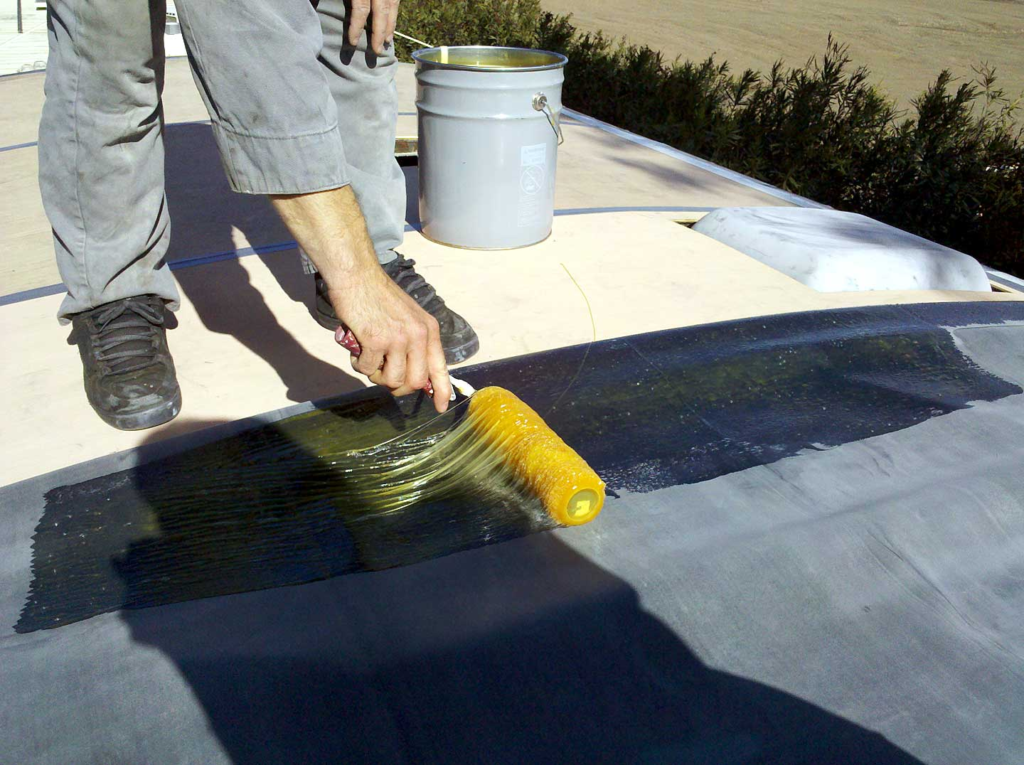
If you see two or more of these signs, it is time for a serious assessment. At this stage, a comprehensive roof coating applied by a professional can sometimes reset the clock — essentially creating a new waterproof surface over your existing roof at a fraction of replacement cost. But if the structural substrate has been compromised by water damage, full replacement may be the only viable path.
Extending Your Roof’s Lifespan: The Three Essentials
The single most effective thing you can do to maximize your RV roof’s lifespan is to perform a thorough inspection and sealant maintenance at least once a year. The second most impactful action is applying a quality UV-protective coating every 3-5 years. The third is addressing any small issues — a cracked sealant bead, a loose vent cover, a small tear — immediately when you find them rather than waiting until the next season. Small problems become big ones surprisingly quickly when water is involved.
The Bottom Line on RV Roof Lifespan
The truth that nobody tells you is that your RV roof will last exactly as long as you take care of it. The material rating is a maximum under ideal conditions with proper maintenance — not a guarantee. An owner who treats their EPDM roof well can get 20+ years from it. An owner who ignores it can find themselves facing replacement in under a decade. The choice, ultimately, is yours.
🛡️ Protect Your RV Roof Today
Don’t wait until water damage forces a costly repair. Our certified RV roof protection specialists can assess your roof, apply professional-grade coatings, and give you the peace of mind every RV owner deserves.
Further Reading
- RV Roof Leaks: The Hidden Signs You’re Missing — Early warning signs of the damage that shortens roof life.
- EPDM vs TPO vs Fiberglass: Lifespan Comparison — How each roof type ages over time.
- How to Reseal Your RV Roof and Save $3,000+ — The maintenance routine that extends roof life.
- DIY RV Roof Replacement Cost Breakdown — What to expect when your roof does reach end of life.