⚡ Key Takeaways
- Fiberglass lasts longest (20–25+ years) but costs the most; EPDM and TPO both rate 15–20 years
- EPDM requires the most maintenance; TPO offers the best seam durability
- Real-world lifespan is determined far more by maintenance habits than by the material itself
- A quality protective coating can add 5–10 years to any roof type’s service life
- Chemical compatibility matters: always use sealants designed for your specific roof material
The Big Three: Understanding Your RV Roof Material Options
When it comes to RV roofs, one of the most important decisions you will ever make — whether you are buying a new rig or replacing a damaged roof — is what material to use. The three dominant options in today’s market are EPDM rubber, TPO (Thermoplastic Polyolefin), and fiberglass. Each has genuine strengths and significant weaknesses, and the “best” choice depends heavily on how you use your RV, where you travel, and how committed you are to maintenance.
We have broken down each material across seven critical factors to give you the clearest comparison available anywhere.
EPDM Rubber Roofs
What Is EPDM?
EPDM (Ethylene Propylene Diene Monomer) is a synthetic rubber membrane that has dominated the RV roofing market for decades. It is typically a charcoal gray or white material that you will find on the majority of travel trailers and fifth wheels sold in the United States. EPDM is installed as a single continuous sheet glued to the roof substrate, with seams sealed using contact cement and covered with lap sealant.
EPDM Lifespan
A properly maintained EPDM roof can last 15-20 years. The key word is “maintained.” EPDM requires more regular upkeep than the other options — sealant checks every 3-6 months, annual cleaning with specialized rubber roof cleaner, and periodic treatment with a rubber roof conditioner to prevent drying and cracking. Neglect an EPDM roof and you will start seeing problems within 5-7 years.
EPDM Pros and Cons
The advantages of EPDM are its relatively low cost, wide availability of repair products, good flexibility in temperature extremes, and the fact that most RV repair shops are experienced with it. The disadvantages are its tendency to stain easily, its susceptibility to damage from certain petroleum products (never use regular rooftop HVAC sealants on EPDM), and its need for consistent maintenance. It also punctures more easily than fiberglass.
TPO Roofs
What Is TPO?
TPO is a single-ply membrane roofing material that has been gaining significant market share over the past decade. It comes in white (usually) and has a smoother, harder surface than EPDM. TPO seams are heat-welded rather than glued, making for stronger joints. Many premium travel trailers and fifth wheels now come standard with TPO roofs.
TPO Lifespan
TPO roofs are rated for 15-20 years as well, but they tend to require less maintenance than EPDM to achieve that lifespan. The heat-welded seams are significantly more durable than glued EPDM seams, and the material is more resistant to oils and UV damage than traditional rubber. However, if a TPO seam does fail, repair requires specialized heat welding equipment that most DIYers and general RV shops do not have.
TPO Pros and Cons
TPO wins on energy efficiency (the white surface reflects heat, reducing cooling costs), UV resistance, chemical resistance, and seam strength. The downsides include higher initial cost, the complexity of seam repairs, and the fact that fewer repair technicians are trained to work with it properly compared to EPDM.
Fiberglass Roofs
What Is a Fiberglass RV Roof?
Fiberglass roofs are common on higher-end Class A motorhomes and some premium fifth wheels. Rather than a membrane applied over a substrate, fiberglass roofs are typically a molded or laminated solid panel. They provide a harder, more rigid surface than either membrane option.
Fiberglass Lifespan
When properly maintained, a fiberglass roof can last 20-25+ years — the longest of the three options. The material itself does not degrade significantly over time. The vulnerabilities are in the sealant at joints and penetrations, and in the potential for impact damage (hail, low-hanging branches) to cause cracks or chips that must be addressed promptly to prevent water intrusion.
Fiberglass Pros and Cons
Fiberglass offers superior durability, a harder surface that resists punctures and impact damage, excellent UV resistance, and ease of cleaning. The disadvantages are the highest initial cost of the three options, the need for specialized repair techniques if the panel itself is damaged, and the greater weight compared to membrane roofing systems.
Head-to-Head Comparison: Which Actually Lasts Longest?
In ideal conditions with proper maintenance, the ranking is: Fiberglass (20-25+ years) followed closely by TPO (15-20 years) followed by EPDM (15-20 years with diligent maintenance, 5-10 years with average maintenance).
However, real-world performance is more nuanced. EPDM’s long track record means that quality repair products are widely available, and a well-maintained EPDM roof on a protected RV can genuinely last decades. TPO’s superior seam technology makes it a better choice for full-time RVers who put significant miles on their rigs. Fiberglass wins hands-down for longevity but at a premium price point.
The Hidden Fourth Option: Roof Coatings
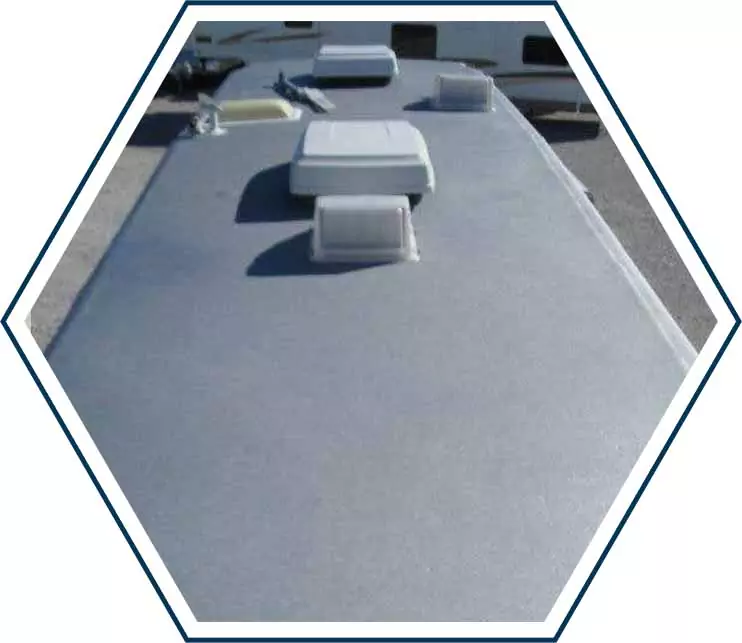
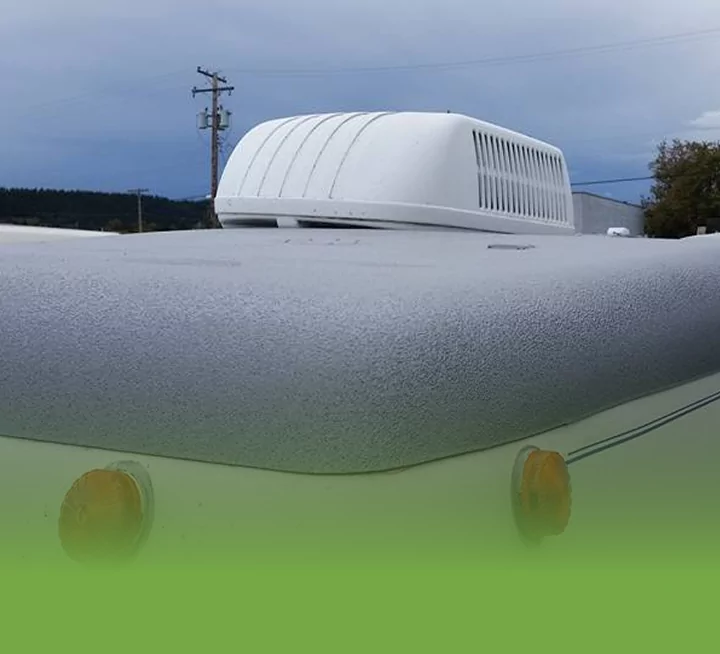
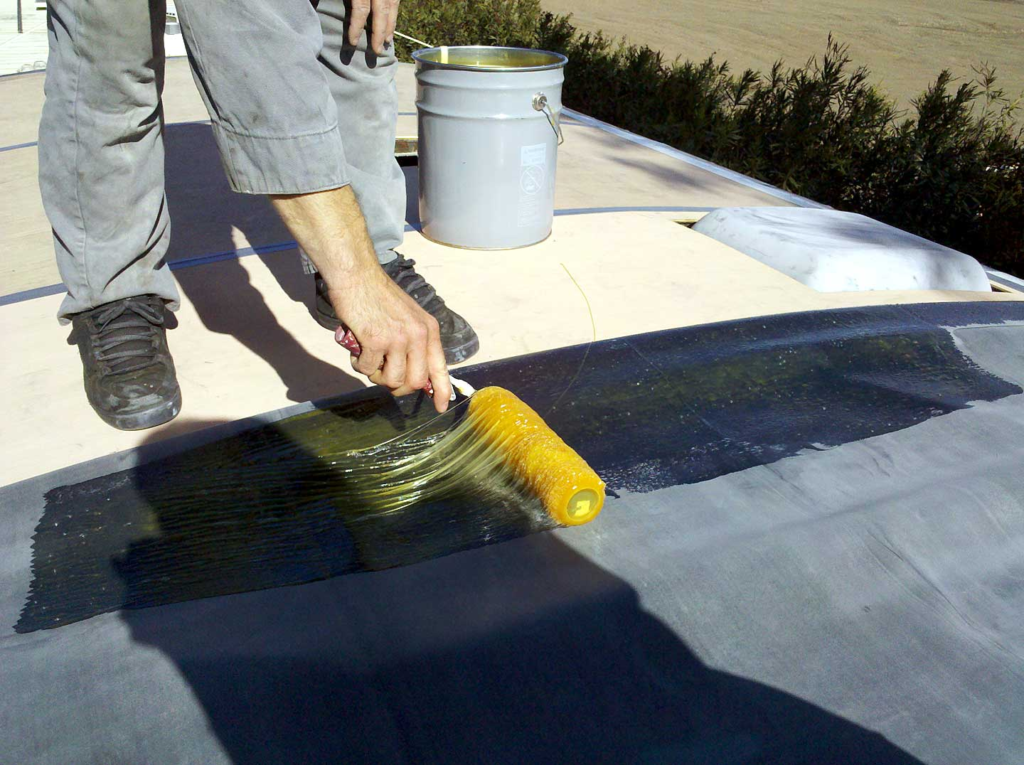
Regardless of which roof type you have, applying a quality protective coating can significantly extend its lifespan. Modern polyurea and elastomeric coatings create a seamless, flexible waterproof barrier over your existing roof that protects against UV damage, oxidation, and minor impact. For EPDM roofs in particular, a quality coating can add 5-10 years of service life and dramatically reduce maintenance requirements.
Making the Right Choice for Your Situation
If you are buying a new RV, do not let the roof material be the deciding factor unless you are comparing premium models — any of the three materials will serve you well with proper care. If you are replacing a damaged roof, TPO offers the best combination of longevity and practicality for most owners. And if you have an existing roof showing its age, a professional-grade coating applied now is almost certainly a better investment than waiting until you need a full replacement.
🛡️ Protect Your RV Roof Today
Don’t wait until water damage forces a costly repair. Our certified RV roof protection specialists can assess your roof, apply professional-grade coatings, and give you the peace of mind every RV owner deserves.
Further Reading
- RV Roof Coating Reviews 2025: We Tested 7 Products — The best coatings for each roof type reviewed.
- How Long Does an RV Roof Last? — Real lifespan data by roof type and maintenance habits.
- DIY RV Roof Replacement: Is It Worth It? — Honest cost breakdown for roof replacement by material type.
- Best RV Roof Sealants That Won’t Fail — Maintenance sealants for any roof type.